
Category: Health and wellness
Facts about W-Sitting
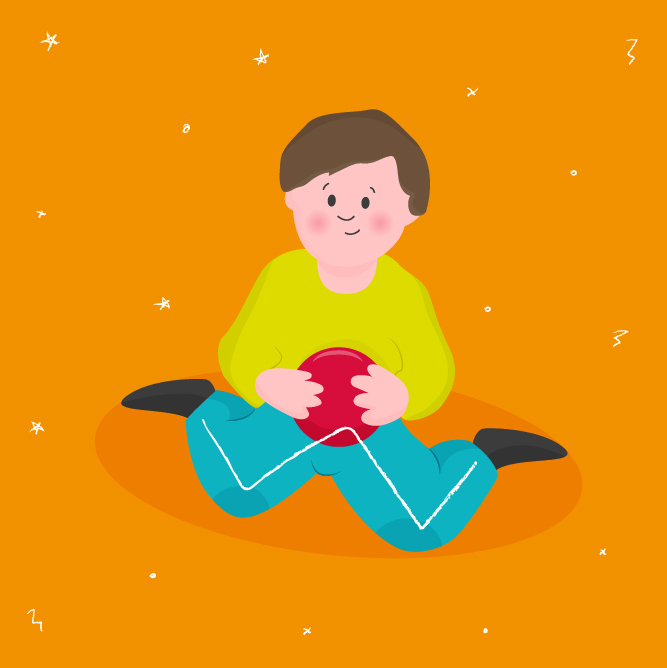
W-Sitting is usually observed when a child is sitting on the floor with their legs turned inward, knees bent, and feet on either side of their hips. From above (i.e. an aerial view), you will see that their legs form a letter “W”.
What is it?
W-Sitting is usually observed when a child is sitting on the floor with their legs turned inward, knees bent, and feet on either side of their hips. From above (i.e. an aerial view), you will see that their legs form a letter “W.”
Why is W-Sitting
bad?
Children typically move in
and out of a W-sitting position throughout the day. However, it becomes
concerning when they sit like this for an extended period of time, or if it is
their only/primary sitting position.
W-Sitting:
- May increase the risk of hip dislocation, especially in children who already have hip dysplasia.
- Provides the child with a wide base of support, which decreases the demand on abdominal muscles to work. This can limit the development of your child’s core strength.
- Places leg muscles in a position where they may become tighter, which would affect standing and walking.
- Makes it difficult to rotate your trunk and perform cross-body movements during play, which can impact your child’s coordination skills.
How can I help my
child stop W-Sitting?
It is important
not to scold or become upset with your child for W-Sitting. Instead, suggest
and provide your child different options for sitting that help them develop
their core and hip muscles in a better alignment such as:
- Tailor sitting (or criss-cross applesauce).
- Long sitting with legs stretched out in front.
- Sitting on a bench or chair.
- Kneeling or half-kneeling at a surface.
Your child may be resistant
to other sitting positions, but with your consistent guidance, you can help
their development in a big way.
If you have further questions
regarding W-sitting, or any other of your child’s sitting positions, talk to
their physical or occupational therapist today.