Your support provides rehabilitation services to children from all over the United States.

7 Photographers with Disabilities Who Inspire the World

Photography is much more than just taking pictures; it is a form of communication, a reflection of the soul, and for many, a powerful tool to tell stories that would otherwise remain untold.

On this International Photography Day, we celebrate seven extraordinary artists who, through their talents, remind us that when a person with a disability looks through the lens, they open the door to new perspectives and understanding of the world.

Kevin M. Connolly – A Rolling Perspective of the World

Born without legs, Kevin travels through cities on his skateboard, capturing the curious glances of passersby. His series, The Rolling Exhibition, turns those reactions into art, inviting us to confront our own biases through our shared humanity.

Se more here

Flo Fox – The Eye That Never Stops Seeing

Flo lived with multiple sclerosis and lost almost all of her vision, facing paralysis, yet never stopping her photography of the streets of New York. “The camera sees for me,” she used to say, guiding assistants to capture her vision. She passed away in March 2025 at the age of 79, leaving behind a legacy that reminds us that vision does not always rely on the eyes, but rather on the soul.

See more here

Achmad Zulkarnain – Portraits of Hope

From Indonesia, Achmad built his own adapted camera and now captures vibrant portraits that travel the world, showcasing the power of ingenuity and passion.

See more here

Constanza Portnoy – Photography with a Human Purpose

An Argentine photographer and journalist, Constanza has dedicated her work to documenting the lives of people with disabilities and those in vulnerable situations, bringing visibility to realities we all need to see.

See more here

Rachel Handlin – Breaking Creative Barriers

Rachel, who has Down syndrome, is believed to be the first person with this condition to earn an MFA in Fine Arts. Her photographs explore identity, nature, and inclusion with unique sensitivity.

See more here

João Batista Maia da Silva – Feeling to Capture

With almost complete vision loss, João guides his camera using sounds, textures, and emotions. His photographs are not just seen; they are felt. Through his work, he reminds us that an image, beyond sight, is also built with the heart.

See more here

Bruce Hall – Photographing from the Heart

With only 5% vision, Bruce creates stunning underwater and family portraits, including touching images of his twin sons with autism, showing that photography is also an act of love and connection.

See more here

These artists inspire us to believe that physical barriers are not the end of the story but the beginning of new ways to see and share our world. At the Children’s Rehabilitation Institute TeletonUSA, we believe that, like them, every child with a disability has immense potential waiting to be discovered and shared.

With your support, we can provide the tools, therapies, and opportunities that will help more children find their voice (or, in this case, their vision) in the world.

Donate today and help transform lives.
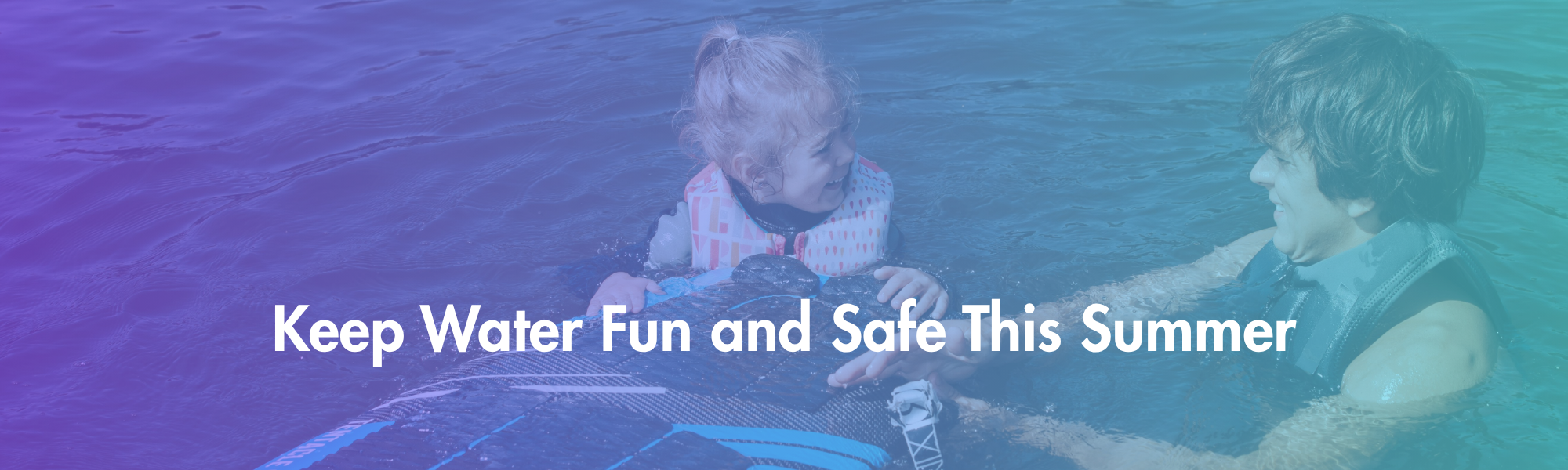
Keep Water Fun and Safe This Summer

At Children’s Rehabilitation Institute TeletonUSA (CRIT), we care deeply about the safety and well-being of every child and family in our community. As temperatures rise and families spend more time by pools, at water parks, or on the coast, it’s essential to stay mindful of water safety to prevent injuries and acquired disabilities.

Here are practical tips to keep your family safe while enjoying water activities this summer:

Pool Safety

Supervise at All Times
Never leave children unattended near water, even for a moment. Drowning can happen silently and within seconds. Designate a responsible, sober adult as the water watcher at gatherings. Avoid distractions such as cell phones, reading, or alcohol while supervising.

Never Swim Alone
Even confident swimmers should swim with a buddy or under adult supervision to ensure help is nearby if needed.

Avoid Breath-Holding Games
Games that involve prolonged breath holding can lead to shallow water blackout and loss of consciousness. Encourage fun, safe play instead.

Choose Bright-Colored Swimsuits
Dress children in neon or brightly colored swimsuits to increase their visibility underwater. Avoid dark colors that blend into the pool’s floor.

Use Proper Floating Devices
Ensure all floatation devices are appropriate for your child’s weight and age. Remember, inflatable toys are not life-saving devices.

Empty Small Pools When Not in Use
Drain kiddie pools immediately after playtime to eliminate drowning risks.

Install Door Alarms
If you have a pool at home, install alarms on any doors or windows leading to the pool area to alert you if a child exits unexpectedly. Layers of protection save lives.

Open Water Safety

Wear a Life Jacket
When boating or swimming in open water, children and adults should wear U.S. Coast Guard-approved life jackets. Always check the approval label before use.

Know Your Environment
Understand the unique risks of open water, such as waves, currents, sudden depth changes, and boats. Teach children never to dive into unfamiliar water.

Rotate Water Watchers
If you’re supervising in a group, switch designated watchers every 10-15 minutes to prevent fatigue and ensure undistracted attention. Always ensure water watchers remain sober to respond quickly in an emergency.

Home Water Safety

Stay Vigilant Around All Water
Children can drown in as little as an inch of water. Always supervise bath time, and never leave water unattended in buckets or bathtubs.

Secure Bathrooms and Toilets
Close bathroom doors, use childproof locks, and keep toilet lids shut to prevent unsupervised access.

Empty Buckets Immediately
After cleaning or chores, empty all buckets and store them upside down to avoid collecting water.

Fence and Lock Outdoor Pools
Install four-sided fencing with childproof locks around pools to prevent children from entering without supervision.

Install Door and Pool Alarms
Add alarms to any doors or windows leading to a pool area, as well as surface or underwater alarms in pools for additional safety.

Emergency Preparedness: Learn CPR

Every Moment Counts
In a water emergency, immediate action can save a life. Consider enrolling yourself and all household members in a CPR certification class. Knowing how to perform CPR while waiting for emergency responders could make the difference between life and death.

Local hospitals, community centers, and organizations like the American Red Cross or American Heart Association offer in-person and online CPR courses. Encourage babysitters, grandparents, and older siblings to become certified too.

Your Actions Save Lives

Water safety is a year-round responsibility, not just in summer. By staying vigilant, installing layers of protection like alarms and fencing, using proper safety equipment, and teaching your children safe water habits, you are preventing accidents that can lead to life-changing injuries or acquired disabilities.

July Star of the Month: Bobby, A Story of Resilience and Hope 

At just 15 years old, Bobby’s life is a testament to extraordinary resilience, growth, and hope. His story is one of strength, perseverance, and transformation. This is why he has been named our Star of the Month for July! 

A Tough Beginning: Overcoming a Traumatic Brain Injury 

Bobby’s journey began with a difficult start. At only 4 months old, he suffered a traumatic brain injury due to abuse, which dramatically changed the course of his life. This injury led to many challenges, such as muscle stiffness, difficulty with movement, developmental delays, and seizures. Over the years, Bobby has faced several orthopedic surgeries to help him regain his mobility and independence. 

Despite these hardships, Bobby’s story is not defined by his past, but by his incredible strength and determination to keep moving forward. Today, Bobby is a bright teenager, full of hope, with a love for music and a big heart. His journey is a powerful example of the human spirit’s ability to overcome the most difficult circumstances. 

Music: A Source of Strength and Expression 

One of the things that stands out about Bobby is his creativity. He creates his musical beats on his phone and computer, which helps him stay focused and motivated during his therapy sessions. Music has become Bobby’s way of channeling his emotions, turning his pain into something positive and beautiful. Through his music, Bobby shows the world that even in the face of adversity, creativity can thrive. 

Progress at CRIT: Physical and Recreational Therapy 

At CRIT, Bobby has access to the specialized care he deserves. His rehabilitation reflects his right to health and his right to grow as an individual with dignity. 

In Physical Therapy, Bobby has made incredible progress. He is mastering the skills necessary to walk confidently and safely, especially in crowded spaces like school hallways or busy public events. Bobby has reduced his falls significantly, a sign of both his physical strength and the determination that has been with him from the start. 

In Recreational Therapy, Bobby is developing essential life skills, such as following multi-step directions, problem-solving, and managing everyday tasks like cooking and handling money. These sessions are designed to build Bobby’s practical skills and to strengthen his confidence, communication skills, and social interactions. Each session provides Bobby with an opportunity to connect with others, form meaningful friendships, and express himself more freely. 

Bobby’s Progress: A Powerful Reminder of His Strength 

Bobby has shared that therapy is helping him “walk better and do things on my own,” a powerful reminder of his progress and unwavering spirit. His mother has expressed profound gratitude for the hope and support Bobby and their family have received at CRIT, allowing Bobby to blossom into the remarkable young man he is becoming. 

Your Support Makes a Real Difference 

Every donation made to TeletonUSA helps ensure that Bobby and other children like him receive the therapies they need to achieve their goals, build confidence, and work towards an independent future filled with possibilities.  

June is Scoliosis Awareness Month: What Parents Should Know

Every June, communities nationwide recognize Scoliosis Awareness Month to increase understanding about a condition that affects millions of children and adults—yet often goes undiagnosed until it advances.

What is Scoliosis?

Scoliosis is a sideways curve of the spine that forms an “S” or “C” shape instead of a straight line down the back. There are different types:

  • Idiopathic Scoliosis: The most common type, with no known cause. It usually develops during rapid growth just before puberty.
  • Neuromuscular Scoliosis: Caused by underlying conditions that affect nerves and muscles, such as cerebral palsy or muscular dystrophy.
  • Congenital Scoliosis: Present at birth due to spine formation issues during fetal development.

While mild scoliosis may not cause noticeable problems, more severe curves can lead to back pain, limited mobility, breathing difficulties, and other health concerns if untreated.

How is Scoliosis Detected?

Early detection is key. Pediatricians, physical therapists, and schools often screen children for scoliosis during routine checkups or physical exams. A simple visual check or an X-ray can confirm the diagnosis and determine the degree of curvature.

Can Scoliosis Be Prevented?

Some types of scoliosis can’t be prevented. However, for children at risk of Neuromuscular Scoliosis, good posture, proper positioning, and careful monitoring are essential—especially for kids who spend a lot of time sitting or using wheelchairs.

Treatment Options for Scoliosis

Treatment depends on the severity and type of scoliosis:

  • Mild cases may require only regular monitoring.
  • Moderate cases might benefit from physical therapy and custom braces to prevent further curvature.
  • Severe scoliosis may need surgical correction to straighten and stabilize the spine.

When to Talk to a Doctor

Look for common signs of scoliosis in children:

  • Uneven shoulders
  • One shoulder blade that sticks out more
  • A visible curve in the spine when bending forward

If you see any of these, schedule an appointment with your child’s pediatrician or a physical therapist. They can guide you on next steps, from regular checkups to referrals to an orthopedic or spine specialist.

Stay Informed, Stay Proactive

Scoliosis can be managed successfully—especially when caught early. This Scoliosis Awareness Month, take a moment to learn the signs, talk to your child’s doctor, and spread the word. Together, we can help kids with scoliosis grow up strong and healthy.

Hope and Emotional Support: Keys to Thriving with Disability 

Living with a disability—or caring for someone who does—is emotionally challenging. But amid fear and frustration, one force drives families forward: hope. 

At TeletonUSA, we believe hope is more than a feeling. It’s a powerful force for change. Hope fuels a child’s progress in therapy, strengthens caregivers, and lights the path toward a better future. For many families, it becomes a lifeline—helping them rise, try again, and keep going with courage. 

How Hope Builds Resilience in Disability Care 

Hope is the belief that tomorrow can be better—even when today is hard. Research shows that people with hope are more resilient, less likely to experience depression, and more adaptable during change. In disability care, hope transforms fear into strength and despair into action—for both children and their caregivers. 

Emotional Support Makes the Journey Possible 

No one should face the challenges of disability alone. At the Children’s Rehabilitation Institute TeletonUSA (CRIT), emotional support comes in many forms: 

  • Loved ones offering daily encouragement. 
  • Faith and community groups reminding families they are not alone. 
  • Peer connections that provide shared understanding and solidarity. 
  • Mental health professionals who guide families through hard moments. 

These sources of support create a powerful emotional safety net rooted in compassion and strength. 

Caregivers Need Support Too 

Parents and siblings often take on caregiving full-time, carrying heavy physical and emotional responsibilities. Without support, they risk burnout, stress, and losing their sense of self. Recognizing and caring for caregivers isn’t optional—it’s essential. When caregivers feel supported, they can provide better care and sustain their own well-being. 

Hope and Support Change Lives at TeletonUSA 

Every day at CRIT, we witness how hope and emotional support transform lives. Children walk, speak, and thrive. Families find joy again. Caregivers regain strength and balance. These transformations are only possible because of a community that cares. 

Be Part of That Change 

Your donation gives hope. It funds therapy, mental health support, and emotional care for families facing the challenges of disability. Together, we can empower more children and caregivers to live with dignity, strength, and hope. 

Be the reason a child takes their next step. Be the strength behind a caregiver’s smile. Give today. Change a life.